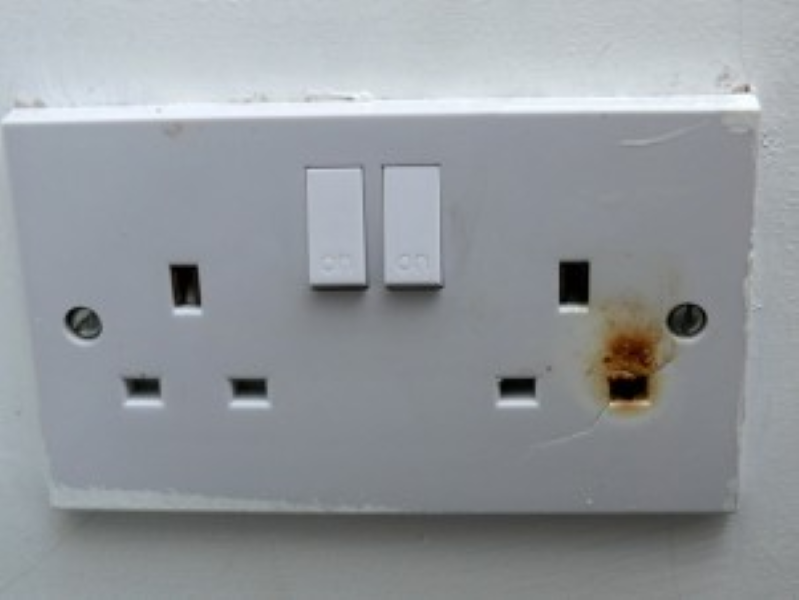
Electrical fires in the home
How to Safely Extinguish an Electrical Fire in Your Home
On New Year’s Eve 2026, a serious fire at The Alexander Centre in Faversham was later confirmed to have been caused by an electrical fault. Thankfully, no one was injured, but it serves as a powerful reminder: electrical fires can happen without warning.
We regularly hear from customers with early warning signs — crackling sockets, overheating plugs, or hidden faults behind appliances. In many cases, these issues go unnoticed until something goes wrong.
This guide explains the common causes of electrical fires, how to deal with one safely, and how to reduce the risk in your home.
⚠️ Common Causes of Electrical Fires
Electrical fires are often caused by everyday issues, including:
- Overloaded sockets and extension leads
- Old or damaged wiring
- Faulty or overheating appliances
- Poorly carried out DIY electrical work
- Heaters placed too close to furniture or curtains
- Appliances left running unattended (such as tumble dryers)
These faults can lead to overheating, sparks, and electrical arcing — all of which can ignite nearby materials. Often, fires start in places you can’t easily see, such as inside walls or behind appliances.
🔒 How to Put Out an Electrical Fire Safely
If an electrical fire does start, acting quickly — but safely — is key.
Step 1: Remove the power source
If it’s safe to do so, unplug the appliance and switch off the power at the fuse board. This helps reduce the risk and gives you a safer chance of controlling the situation.
If you’re unsure, evacuate immediately and call 999.
Step 2: Never use water
Water should never be used on an electrical fire. It conducts electricity and can cause serious injury or make the fire worse.
Step 3: Use a CO₂ fire extinguisher
A carbon dioxide (CO₂) extinguisher is the safest option for electrical fires. It works by removing oxygen and cooling the fire, without damaging electrical components.
Step 4: Smother small fires
For very small, contained fires (such as in a plug or appliance), a fire blanket or baking soda may help smother the flames. Only attempt this if it is completely safe to do so.
Step 5: Know when to leave
If the fire spreads or cannot be controlled quickly, evacuate immediately. Close doors behind you to slow the spread and call emergency services.
Your safety always comes first.
Step 6: After a fire
- Do not reuse any affected appliances or circuits until checked by a qualified electrician
- If the fire spread, arrange a full electrical inspection to rule out hidden damage
- Review your fire safety measures, including alarms and extinguishers
✅ How to Prevent an Electrical Fire
Prevention is the most effective way to stay safe. Simple steps include:
- Avoid overloading sockets
- Use appliances according to manufacturer guidelines
- Turn appliances off when not in use — especially overnight
- Avoid DIY electrical work unless qualified
- Get older wiring and fuse boards inspected regularly
- Don’t ignore warning signs like buzzing sockets or burning smells
Also, make sure you have working smoke alarms and test them regularly.
If you live with children or older family members, it’s worth having a simple fire escape plan in place.
Final Thoughts
Electrical fires are often preventable — and early warning signs should never be ignored.
Taking a few simple precautions, staying alert to issues, and knowing how to respond can make all the difference in keeping your home and family safe.